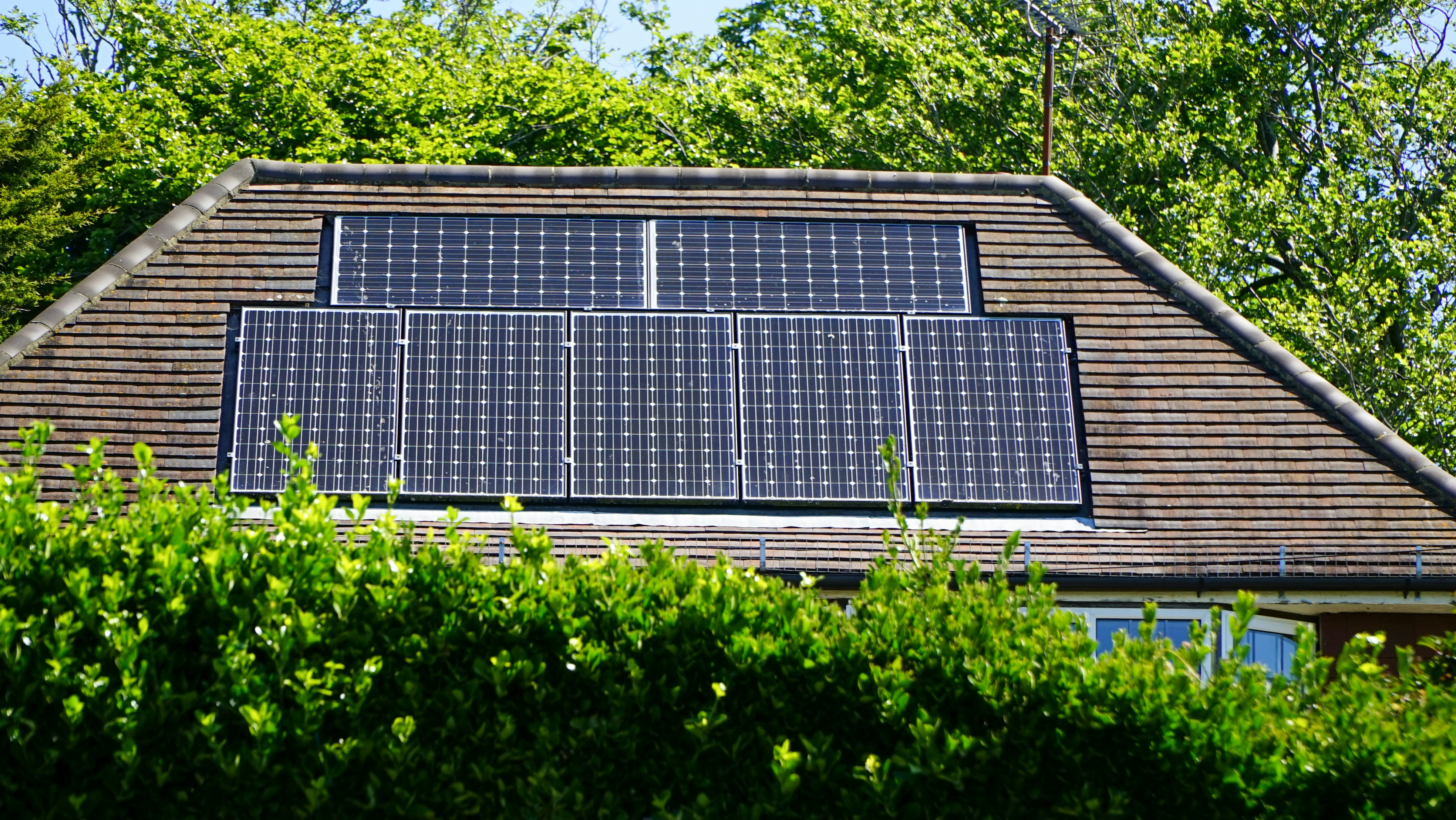
Introduction
If you are planning to install solar power, you will quickly encounter three main panel types: monocrystalline, polycrystalline, and thin film. Understanding solar panels and how these types differ helps Kenyan homeowners choose the right option for their budget, roof space, and power needs.
What Are Solar Panels?
Solar panels convert sunlight into electricity using photovoltaic (PV) cells. When sunlight hits the cells, it generates direct current (DC) electricity, which is then converted into usable alternating current (AC) by an inverter.
Types of Solar Panels Explained
1. Monocrystalline Solar Panels
Monocrystalline panels are made from a single, pure silicon crystal. They are easily recognized by their dark black color.
Advantages of Monocrystalline Panels
- High efficiency (18–23%)
- Require less roof space
- Perform better in low sunlight
- Long lifespan (25+ years)
Disadvantages of Monocrystalline Panels
- More expensive than other types
- Higher upfront cost
Best for Kenya: Ideal for urban homes in Nairobi, Mombasa, and apartments with limited roof space.
2. Polycrystalline Solar Panels
Polycrystalline panels are made from multiple silicon crystals melted together. They usually have a bluish appearance.
Advantages of Polycrystalline Panels
- More affordable than monocrystalline
- Good efficiency for most homes (15–17%)
- Widely available in Kenya
Disadvantages of Polycrystalline Panels
- Lower efficiency than monocrystalline
- Require more roof space
- Slightly lower performance in high heat
Best for Kenya: Suitable for homes with enough roof space and budget-conscious installations.
3. Thin Film Solar Panels
Thin film panels are made by depositing photovoltaic material onto a surface like glass or metal. They are lightweight and flexible.
Advantages of Thin Film Panels
- Lightweight and flexible
- Perform well in very high temperatures
- Lower manufacturing cost
Disadvantages of Thin Film Panels
- Low efficiency (10–12%)
- Require large installation space
- Shorter lifespan
Best for Kenya: Mostly used for commercial projects, farms, or temporary installations rather than homes.
Comparison of Solar Panel Types
- Efficiency: Monocrystalline > Polycrystalline > Thin Film
- Cost: Thin Film < Polycrystalline < Monocrystalline
- Space Needed: Thin Film > Polycrystalline > Monocrystalline
- Lifespan: Monocrystalline lasts the longest
Which Solar Panel Is Best for Kenyan Homes?
Most Kenyan households choose monocrystalline or polycrystalline panels depending on budget and roof size.
- Choose monocrystalline if roof space is limited
- Choos