What is solar energy and why is everyone talking about it in Kenya and across East Africa?
Solar energy is one of the most important renewable energy sources in the world today. With rising electricity costs, frequent power outages, and abundant sunshine, more homes, businesses, and institutions in East Africa are turning to solar power as a reliable solution.
In this beginner-friendly guide, you’ll learn what solar energy is, how it works, and why it makes so much sense for our region.
What Is Solar Energy?
Solar energy is energy that comes from the sun. The sun produces enormous amounts of energy every day in the form of sunlight, which can be captured and converted into electricity or heat.
When sunlight hits solar panels, it creates electrical energy that can be used to power lights, TVs, refrigerators, water pumps, and even entire businesses.
This energy is renewable, meaning it will not run out, unlike fossil fuels such as diesel, coal, or gas.
How Does Solar Energy Work?
Understanding how solar energy works is easier than most people think. A basic solar power system has a few key components working together.
1. Solar Panels Capture Sunlight
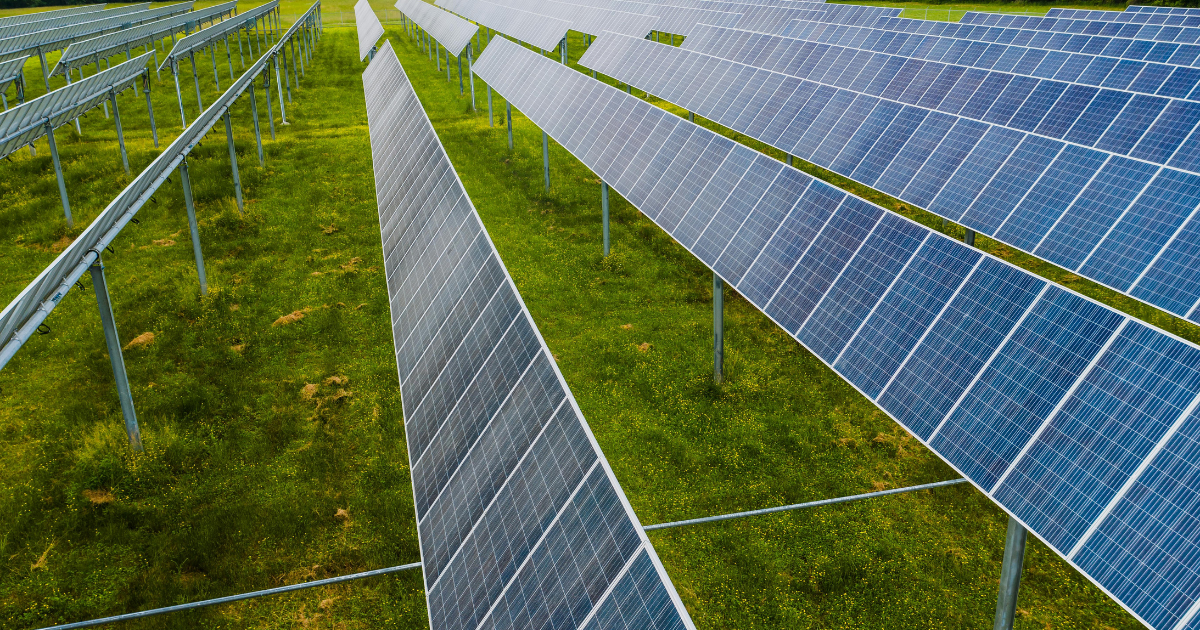
Solar panels are usually installed on rooftops or open ground where they receive maximum sunlight. Each panel is made up of solar cells, typically made from silicon.
When sunlight hits these cells, it creates an electric charge. This process is called the photovoltaic effect.
2. Electricity Is Converted for Use
The electricity produced by solar panels is direct current (DC). However, most appliances in homes and offices use alternating current (AC).
A device called an inverter converts DC electricity into AC electricity so it can be used safely.
3. Power Is Used, Stored, or Exported
Once converted, the electricity can:
- Power your home or business directly
- Be stored in batteries for use at night or during blackouts
- Be fed back into the grid (for grid-connected systems)
Types of Solar Energy Systems
There are different types of solar systems depending on your needs and location.
On-Grid Solar Systems
These systems are connected to the national electricity grid. They reduce your electricity bill but do not work during power outages unless combined with batteries.
Off-Grid Solar Systems
Off-grid systems are completely independent from the grid. They are common in rural areas of Kenya where grid electricity is unavailable or unreliable.
Hybrid Solar Systems
Hybrid systems combine solar panels, batteries, and grid power. They offer the best of both worlds: backup power and reduced electricity bills.
How Solar Energy Applies in Kenya and East Africa
Kenya and the wider East African region receive high levels of sunlight throughout the year. Most areas enjoy 5–7 peak sun hours per day, making solar power highly effective.
Solar energy is already being used in many practical ways:
- Homes using solar lighting and phone charging
- Solar water pumps for irrigation and livestock
- Solar-powered schools and health clinics in remote areas
- Businesses reducing electricity costs with rooftop solar
In areas where electricity outages are common, solar provides a reliable backup that keeps essential services running.
Benefits of Solar Energy
Solar energy offers many advantages, especially in developing regions.
- Lower electricity bills: Reduce or eliminate monthly power costs
- Reliable power: Works even during blackouts when paired with batteries
- Clean energy: No pollution or harmful emissions
- Low maintenance: Solar systems require minimal upkeep
- Energy independence: Less reliance on grid electricity or diesel generators
Limitations of Solar Energy
While solar energy is powerful, it also has some limitations.
- High initial installation cost
- Energy production depends on sunlight
- Batteries can be expensive and need replacement over time
- Requires proper system sizing and professional installation
However, falling solar equipment prices and flexible financing options are making solar more accessible every year.
Common Beginner Questions About Solar Energy
Can solar power run a whole house?
Yes. With the right system size and batteries, solar energy can power an entire home, including appliances such as TVs, refrigerators, and water pumps.
Does solar work during rainy or cloudy days?
Yes. Solar panels still produce electricity on cloudy days, but at reduced levels. Batteries help store energy for such times.
How long do solar panels last?
Most solar panels last 25–30 years and often continue producing electricity beyond that period.
Is solar energy worth it in Kenya?
Absolutely. With abundant sunshine, rising electricity costs, and frequent power interruptions, solar energy is a smart long-term investment.
Conclusion: Is Solar Energy Right for You?
Now that you understand what is solar energy and how it works, the next step is deciding how it fits into your life or business.
If you live in Kenya or East Africa, solar energy is not just an alternative—it is a practical, reliable, and cost-saving solution. Start by assessing your electricity needs, available space, and budget.
At Infomaxenergy, we believe informed decisions lead to better energy choices. Solar energy is a great place to start.