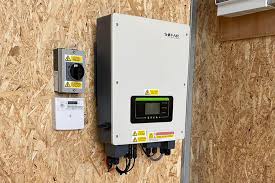
What Is a Solar Inverter?
A solar inverter is a critical component of a solar power system. It converts the direct current (DC) electricity produced by solar panels into alternating current (AC), which is used by household and commercial appliances.
Why Solar Inverters Are Important
- Convert solar energy into usable electricity
- Manage power flow between panels, batteries, and the grid
- Protect the system from electrical faults
- Improve overall system efficiency
Types of Solar Inverters
1. Off-Grid Solar Inverters
Off-grid inverters operate independently from the national grid and are ideal for remote areas without electricity access.
- Require battery storage
- Reliable during blackouts
- Common in rural areas
2. On-Grid (Grid-Tied) Solar Inverters
On-grid inverters work together with the utility grid. They do not require batteries and are more affordable.
- No battery needed
- Lower system cost
- Do not provide backup during outages
3. Hybrid Solar Inverters
Hybrid inverters combine the features of on-grid and off-grid systems, allowing both grid connection and battery storage.
- Supports batteries and grid
- Automatic power switching
- Higher upfront cost
Solar Inverter Prices
Solar inverter prices vary based on capacity (kVA), brand, and type. Hybrid inverters are generally more expensive but offer greater flexibility and backup power.
How to Choose the Right Solar Inverter
- Total power consumption
- Type of solar system (on-grid, off-grid, or hybrid)
- Compatibility with batteries
- Warranty and after-sales support
Common Solar Inverter Problems
- Overloading
- Battery charging issues
- Error codes and alarms
- Overheating
Conclusion
Solar inverters play a vital role in any solar power system. Understanding inverter types, pricing, and features will help you choose a reliable and efficient solution for your energy needs.